
In This Article
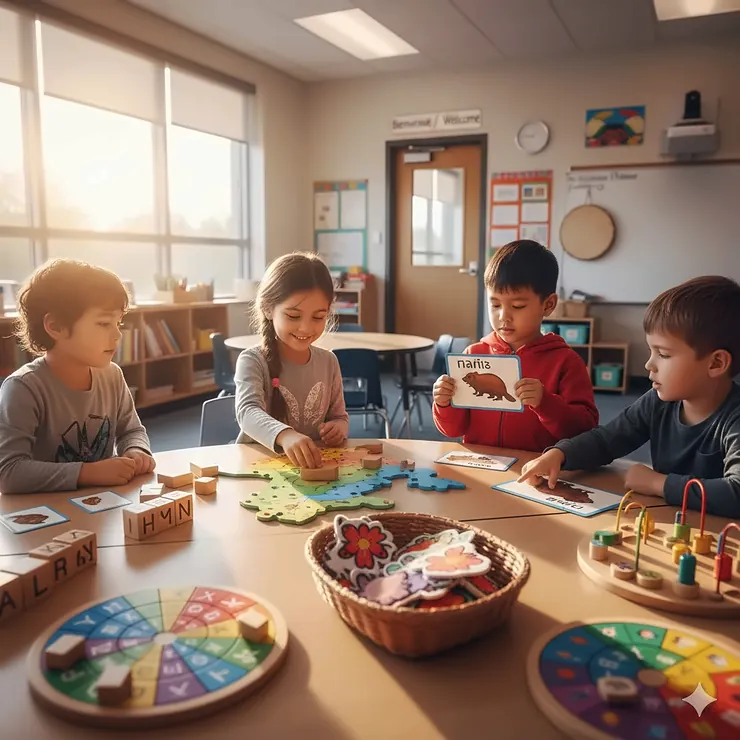
Finding indigenous learning toys that authentically represent First Nations, Métis, and Inuit cultures can transform how Canadian children understand reconciliation and cultural awareness. In 2026, the landscape of first nations educational materials has evolved dramatically, with Indigenous artists and educators creating meaningful resources that honour traditional knowledge while engaging young learners.
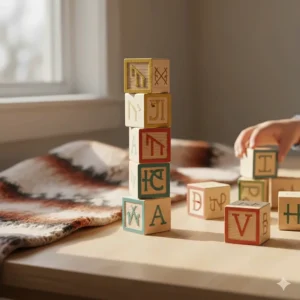
The importance of indigenous learning toys extends far beyond simple entertainment. These carefully crafted educational tools serve as bridges between cultures, helping children develop genuine understanding of Aboriginal culture and contributing to the vital work of truth and reconciliation in Canada. According to the Truth and Reconciliation Commission of Canada, educational initiatives play a crucial role in addressing historical injustices and fostering cultural understanding among all Canadians.
With the Canadian government’s ongoing commitment to implementing the TRC’s 94 Calls to Action, particularly those focused on education for reconciliation, parents and educators are increasingly seeking authentic indigenous knowledge resources for their homes and classrooms. This comprehensive guide will help you navigate the best options available in Canada for 2026, ensuring you choose products that respectfully honour Indigenous cultures while providing genuine educational value.
Quick Comparison Table: Top Indigenous Learning Toys
| Product | Age Range | Price (CAD) | Primary Focus | Artist/Nation |
|---|---|---|---|---|
| Native Northwest Animal Journey | 3+ years | $29.99-$34.99 | Shape recognition, cultural art | Coast Salish |
| Multi-Game Wood Block Set | 4+ years | $26.00-$34.99 | Puzzles, stacking, coordination | Simone Diamond |
| Match-Up Animals & Babies | 1-3 years | $24.99-$29.99 | Matching, motor skills | Francis Horne Sr. |
| Indigenous Plush Toys | All ages | $14.00-$27.00 | Cultural storytelling | Various Nations |
| CAP Flash Cards | 3+ years | $13.00-$15.99 | Vocabulary, culture | Jim Oskineegish |
| Stacking Animal Bead Maze | 18m+ | $17.00-$22.00 | Fine motor, problem-solving | Shoshannah Greene |
| Dancing Women Puzzle | 8+ years | $19.99-$26.99 | Critical thinking | Leah Marie Dorion |
💬 Just one click – help others make better buying decisions too!😊
Top 7 Indigenous Learning Toys: Expert Analysis
1. Native Northwest Animal Journey: Learning Shapes!
The Native Northwest Animal Journey is an outstanding introduction to both geometric concepts and Coast Salish art traditions. This beautifully designed game features Indigenous artwork depicting animals sacred to Pacific Northwest cultures while teaching fundamental shape recognition skills.
Key Specifications:
- 18 wooden shape pieces featuring authentic Indigenous designs
- Includes bear, whale, and raven artwork
- Eco-friendly sustainable birch wood construction
- Dimensions: Approximately 12″ x 9″ playing board
Canadian Price Range: $29.99-$34.99 CAD
Canadian buyers consistently praise this toy’s durability and educational value. Parents note that children ages 3-7 remain engaged while learning both shapes and cultural appreciation simultaneously.
✅ Pros:
- Authentic Indigenous artwork created by Coast Salish artists
- Develops spatial reasoning and fine motor skills
- 100% of art royalties go to Indigenous artists
- Made with child-safe, non-toxic materials
❌ Cons:
- Higher price point than mass-produced alternatives
- Smaller pieces require supervision for younger children
Availability: Widely available across Canada through specialized Indigenous retailers and select educational supply stores.
2. Multi-Game Indigenous Animals Wood Block Set
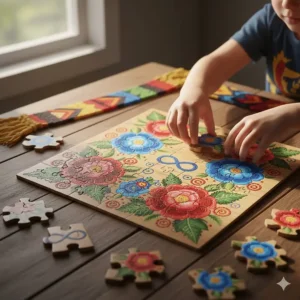
Created by Coast Salish artist Simone Diamond, this versatile set offers three games in one: a stacking tower game, three separate 18-piece puzzles, and dominoes. It’s an exceptional choice for families seeking multi-purpose aboriginal culture toys.
Key Specifications:
- 54 coloured wooden blocks (3″ x 1″ x 0.6″)
- Features bear, whale, and eagle designs
- Includes dice and hammer for tower game
- Gift box packaging
Canadian Price Range: $26.00-$34.99 CAD
Canadian families report this toy sees regular use over several years, making it excellent value. The multiple game options mean it grows with children from preschool through early elementary years.
✅ Pros:
- Three games provide extended value
- Teaches turn-taking and strategic thinking
- Beautiful artistic representation
- Durable construction withstands heavy play
❌ Cons:
- Requires storage space for 54 pieces
- Best with adult guidance initially
Availability: Available through Canadian Indigenous retailers and some Montessori supply stores nationwide.
3. Match-Up Puzzle: Animals & Their Babies
This gentle introduction to reconciliation education games features artwork by Francis Horne Sr. and Simone Diamond, both Coast Salish artists. Perfect for toddlers, the eight beginner puzzles teach matching skills while introducing Indigenous artistic traditions.
Key Specifications:
- 8 individual puzzles (7.5″ x 7.5″ each)
- Sturdy 3mm grey board construction
- Child-safe non-toxic inks
- CPC certified for safety
Canadian Price Range: $24.99-$29.99 CAD
Canadian daycare providers and early childhood educators frequently recommend this set for its age-appropriate design and cultural authenticity. The puzzles help children develop cognitive skills while learning to appreciate Indigenous art from an early age.
✅ Pros:
- Perfect for developing fine motor skills
- Large pieces suitable for small hands
- Introduces animal families concept
- Supports cultural awareness education
❌ Cons:
- Limited to younger age range
- Pieces may be too simple for older toddlers
Availability: Sold through Canadian early childhood education suppliers and Indigenous-owned retailers.
4. Indigenous Designed Plush Toys Collection
The plush collection from Native Northwest represents various animals significant to Pacific Northwest Indigenous cultures. Options include Trickster the Raven, Luna the Whale, Grizzly the Bear, and Cubby the Black Bear – each designed by specific Indigenous artists.
Key Specifications:
- Approximately 6-12″ depending on design
- Polyester fiber fill
- Features authentic tribal artwork
- Artist information included with each toy
Canadian Price Range: $14.00-$27.00 CAD
These cuddly companions serve as conversation starters about Indigenous stories and traditions. Canadian parents appreciate the quality construction and the opportunity to discuss cultural significance with children.
✅ Pros:
- Soft, huggable companions for all ages
- Each design tells cultural stories
- Artist royalties support Indigenous communities
- Designed and curated in Canada
❌ Cons:
- Limited educational instructions included
- Smaller sizes may not appeal to all children
Availability: Widely available across Canada at Indigenous gift shops, museums, and online Canadian retailers.
5. CAP Indigenous Flash Cards by Jim Oskineegish
These educational flash cards feature stunning artwork by Ojibway artist Jim Oskineegish from Eabametoong First Nation. They’re excellent first nations educational materials for building vocabulary while learning about Indigenous culture.
Key Specifications:
- Multiple card sets available
- Features animals, nature, and cultural items
- Bilingual options available (English/Indigenous languages)
- Durable card stock
Canadian Price Range: $13.00-$15.99 CAD
Teachers across Canada use these cards in classroom settings to support both literacy development and cultural awareness education. The authentic artwork helps children connect vocabulary to visual representations rooted in Indigenous perspectives.
✅ Pros:
- Affordable educational resource
- Supports language learning
- Authentic Indigenous artistic representation
- Versatile for various learning activities
❌ Cons:
- May require parent/teacher guidance
- Limited to flash card format
Availability: Available through Canadian educational suppliers and Indigenous-owned bookstores.
6. Stacking Animal Bead Maze – Bear Mother
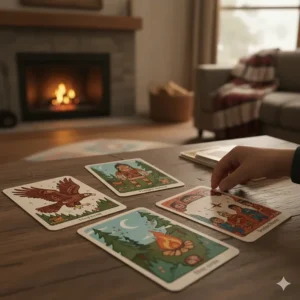
Designed by artist Shoshannah Greene, this interactive toy combines fine motor development with Indigenous artistic expression. The stacked animal design featuring the Bear Mother motif provides hours of engaging play.
Key Specifications:
- Sustainable birch wood construction
- Multiple bead maze paths
- Stackable animal sections
- Non-toxic inks and coatings
Canadian Price Range: $17.00-$22.00 CAD
Canadian occupational therapists recommend bead mazes for developing hand-eye coordination and problem-solving skills. This culturally-informed version adds the benefit of introducing children to Indigenous art and symbolism.
✅ Pros:
- Supports early childhood development
- Eco-friendly materials
- Engaging for extended periods
- Introduces cultural symbols naturally
❌ Cons:
- Best suited for younger children
- Requires flat surface for stability
Availability: Found at Canadian educational toy stores and Indigenous cultural centres.
7. Dancing Women Jigsaw Puzzle by Leah Marie Dorion
This beautiful 1000-piece puzzle features Métis artist Leah Marie Dorion’s “Dancing Women” design, celebrating intergenerational relationships among women and community strength. It’s an excellent choice for older children and families working together.
Key Specifications:
- 1000 precision-cut pieces
- Finished size: 50cm x 70cm
- High-quality matte-laminated cardboard
- Artist biography on packaging
Canadian Price Range: $19.99-$26.99 CAD
Families across Canada report this puzzle generates meaningful conversations about Indigenous women’s roles, community values, and artistic traditions. The complexity makes it suitable for ages 8 and up, encouraging patience and persistence.
✅ Pros:
- Suitable for family bonding activities
- Teaches perseverance and patience
- Stunning artwork becomes frameable art
- Proceeds support Indigenous artists
❌ Cons:
- Not suitable for younger children
- Requires significant time commitment
Availability: Available through Canadian puzzle retailers and Indigenous arts suppliers nationwide.
Understanding Truth and Reconciliation Through Play
The indigenous learning toys featured in this guide serve a purpose beyond entertainment – they’re tools for implementing truth and reconciliation principles in everyday Canadian life. The Truth and Reconciliation Commission of Canada documented the devastating impacts of residential schools and called for educational reforms across the nation.
Why Cultural Awareness Education Matters
Between 1874 and 1996, more than 150,000 Indigenous children were forcibly removed from their families and placed in residential schools across Canada. These institutions aimed to eliminate Indigenous cultures, languages, and traditions through forced assimilation. The lasting trauma continues to affect Indigenous communities today.
By choosing aboriginal culture toys created by Indigenous artists, Canadian families directly support cultural preservation and economic sovereignty for First Nations, Métis, and Inuit communities. Each purchase contributes to breaking cycles of cultural erasure by ensuring traditional knowledge and artistic practices continue for future generations.
How to Choose Indigenous Learning Toys in Canada
1. Verify Authentic Indigenous Authorship
Always check that toys feature artwork created by actual Indigenous artists, not generic “Indigenous-inspired” designs. Legitimate products include the artist’s name, Nation affiliation, and often biographical information. This ensures your purchase supports real Indigenous artists and communities rather than cultural appropriation.
2. Consider Age-Appropriate Educational Value
Match the toy’s complexity to your child’s developmental stage. Toddlers benefit from simple matching games and soft toys, while school-age children can engage with more complex puzzles, games, and educational materials that explore deeper cultural concepts.
3. Assess Cultural Authenticity and Respect
Quality first nations educational materials treat Indigenous cultures with respect, avoiding stereotypes or oversimplification. Look for products that explain cultural context and encourage learning about specific Nations rather than treating “Indigenous” as a monolithic category.
4. Prioritize Canadian-Made and Indigenous-Owned Businesses
Supporting Canadian Indigenous-owned businesses ensures more proceeds directly benefit Indigenous communities. Many products are manufactured in Canada using sustainable practices, reducing environmental impact while supporting local economies.
5. Read Reviews from Canadian Buyers
Check feedback specifically from Canadian customers regarding shipping times, Canadian availability, and how products hold up in Canadian homes and classrooms. This provides practical insights beyond product descriptions.
6. Evaluate Educational Resources Included
The best reconciliation education games include background information about the artists, cultural significance of designs, and suggestions for meaningful conversations with children about Indigenous histories and contemporary realities.
7. Consider Long-Term Value and Durability
Quality indigenous learning toys use sustainable materials and construction techniques that withstand years of play. While initial costs may be higher than mass-produced alternatives, the durability and cultural value provide better long-term returns.
The Role of Indigenous Art in Early Learning
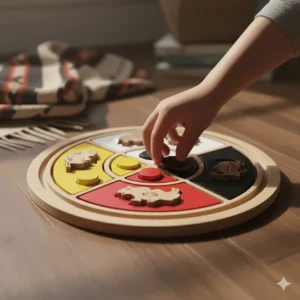
Indigenous artistic traditions carry deep meaning, with each symbol, colour, and form representing specific teachings, stories, and cultural knowledge. When children engage with aboriginal culture toys featuring authentic Indigenous art, they learn to recognize and appreciate these artistic languages.
Coast Salish formline art, Métis beadwork patterns, and Inuit sculpture traditions each offer unique visual vocabularies. Exposing children to these diverse artistic expressions builds visual literacy and cultural appreciation that counters the homogenization often present in mainstream toys.
According to Indigenous Services Canada, culturally appropriate early learning programs that incorporate Indigenous knowledge and teaching methods are crucial for building strong foundations for Indigenous children’s cultural identity while helping all Canadian children develop respect for diverse cultures.
Supporting Indigenous Communities Through Conscious Purchasing
Every dollar spent on authentic indigenous learning toys creates ripple effects throughout Indigenous economies. Artist royalties provide income for Indigenous creators, Indigenous-owned retailers employ community members, and successful Indigenous businesses can reinvest in community programs.
Many Indigenous toy manufacturers partner with cultural centres and language revitalization programs, with portions of proceeds supporting these vital initiatives. By choosing these products, Canadian families become active participants in reconciliation efforts.
The National Centre for Truth and Reconciliation emphasizes that reconciliation requires sustained action from all Canadians. While purchasing ethically-sourced toys represents just one small action, collectively these choices signal market demand for authentic Indigenous products and cultural respect.
Integrating Indigenous Learning Toys in Educational Settings
Canadian schools increasingly incorporate first nations educational materials to fulfill Truth and Reconciliation Call to Action 63, which mandates age-appropriate curriculum about residential schools, Treaties, and Indigenous peoples’ contributions to Canada.
Classroom Implementation Strategies
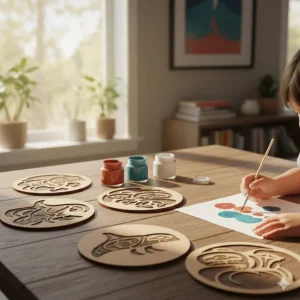
Teachers use indigenous learning toys to create hands-on learning experiences that complement formal curriculum. A puzzle featuring Indigenous art becomes a jumping-off point for discussions about artistic techniques, cultural symbolism, and contemporary Indigenous artists.
Flash cards with Indigenous vocabulary introduce students to language preservation efforts, while games teach cooperation values central to many Indigenous cultures. These tactile, interactive experiences often resonate more deeply than textbook learning alone.
Home Learning Environments
Parents can create dedicated spaces featuring aboriginal culture toys alongside books by Indigenous authors and artwork by Indigenous artists. This integrated approach normalizes Indigenous cultures as living, dynamic parts of Canadian society rather than historical artifacts.
Regular family activities using these toys – puzzle nights, storytelling with plush animals, or board games – create natural opportunities for age-appropriate conversations about reconciliation, respect, and cultural diversity.
Indigenous Knowledge Systems and Child Development
Traditional Indigenous pedagogies emphasize learning through observation, participation, and storytelling rather than direct instruction. Many indigenous learning toys reflect these teaching approaches, allowing children to discover concepts through exploration and play.
For example, the stacking and puzzle toys encourage trial-and-error learning, building problem-solving skills through hands-on experience. This aligns with Indigenous teaching methods that value experiential learning and developing relationships with materials and concepts.
Indigenous cultures also traditionally emphasized interconnectedness – understanding how individual actions affect broader communities and ecosystems. Multi-player games that require cooperation and turn-taking introduce these values naturally through play.
Addressing Common Questions About Indigenous Learning Materials
Are These Toys Only for Indigenous Children?
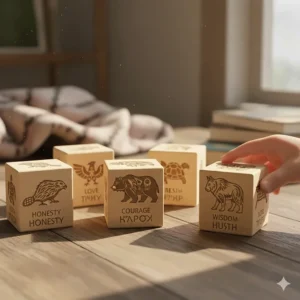
Absolutely not. While indigenous learning toys provide crucial cultural connection for Indigenous children, they offer all Canadian children opportunities to develop cultural awareness, combat stereotypes, and appreciate Indigenous contributions to Canadian society. Reconciliation education benefits everyone.
How Do I Explain Cultural Context to Young Children?
Start with simple, age-appropriate explanations focused on respect and diversity. For a plush raven, you might explain that Raven is an important figure in many West Coast Indigenous stories, known for being clever and sometimes tricky. As children grow, deepen conversations to include more complex historical and contemporary contexts.
What If I Make Mistakes in Teaching About Indigenous Cultures?
Approach learning with humility and willingness to correct errors. Acknowledge what you don’t know, research using reliable sources, and consider consulting Indigenous education resources or cultural centres. Model respectful learning for children by showing that making mistakes is part of genuine engagement.
Seasonal Considerations for Canadian Families
Orange Shirt Day (September 30)
National Day for Truth and Reconciliation provides excellent opportunities to introduce or expand collections of indigenous learning toys. Many retailers offer special promotions, and schools often seek resources for classroom activities honouring residential school survivors.
Winter Holiday Gifting
Indigenous-made toys make meaningful gifts that offer alternatives to mass-produced products. Supporting Indigenous businesses during holiday seasons helps counter economic challenges many Indigenous communities face, particularly in remote areas with limited year-round economic opportunities.
Summer Learning
Long summer days provide extended time for puzzles, games, and creative play. Indigenous-themed activities combat the “summer slide” in learning while introducing Canadian history and culture in engaging, age-appropriate ways.
Quality Standards and Safety Certifications
Reputable first nations educational materials meet rigorous Canadian safety standards. Look for:
- CPC (Children’s Product Certificate) indicating compliance with Canadian regulations
- Non-toxic materials certification ensuring child-safe paints, dyes, and finishes
- ASTM standards for age-appropriate design and construction
- Sustainable sourcing information about wood and material origins
Indigenous manufacturers often exceed minimum standards, using premium materials and construction techniques that ensure products withstand heavy use in homes and classrooms for years.
Building Your Indigenous Learning Toy Collection
Starter Collections (Ages 1-4)
Begin with soft plush toys, simple matching puzzles, and board books featuring Indigenous art. These foundational items introduce young children to visual styles and cultural themes without overwhelming complexity.
Expanding Collections (Ages 5-8)
Add multi-game sets, flash cards, and more complex puzzles as children develop cognitive skills and can engage with deeper cultural concepts. This age range benefits from materials that encourage questions and conversations.
Advanced Collections (Ages 9+)
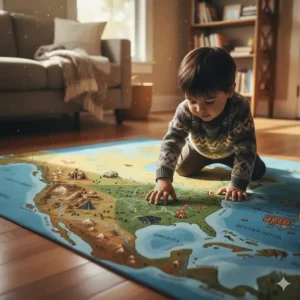
Older children appreciate intricate puzzles, traditional games with complex rules, and materials that connect to school curriculum about Canadian history, geography, and social studies. Consider items that support research projects or personal interest areas.
FAQ: Indigenous Learning Toys in Canada
❓ Where can I buy authentic indigenous learning toys in Canada?
❓ What makes indigenous learning toys different from regular educational toys?
❓ Are indigenous learning toys more expensive than regular toys?
❓ How do I teach my children about residential schools using these toys?
❓ Can non-Indigenous teachers use indigenous learning toys in classrooms?
Conclusion: Investing in Truth, Reconciliation, and Education
Choosing indigenous learning toys represents more than a purchasing decision – it’s an investment in truth, reconciliation, and the future of Canadian society. Each thoughtfully selected toy becomes a tool for building understanding, respect, and genuine relationships between Indigenous and non-Indigenous peoples.
The products featured in this guide meet high standards for cultural authenticity, educational value, and quality construction. By supporting Indigenous artists and businesses through conscious purchasing, Canadian families actively participate in reconciliation while providing children with engaging, meaningful learning experiences.
As we move forward in 2026, the importance of cultural awareness education continues growing. The indigenous learning toys available today offer unprecedented quality, diversity, and authenticity compared to even a few years ago. This positive trend reflects both increased Indigenous entrepreneurship and growing Canadian recognition of the value Indigenous knowledge and artistic traditions bring to all our lives.
Remember that these toys work best as part of broader engagement with Indigenous cultures – through books, music, art, visits to cultural centres, and most importantly, listening to Indigenous voices and perspectives. The journey toward reconciliation requires sustained commitment from all Canadians, and it begins with small, everyday choices in our homes and classrooms.
✨ Don’t Miss These Exclusive Deals!
🔍 Take your reconciliation education to the next level with these carefully selected products available in Canada. Click on any highlighted item to check current pricing and availability at Canadian Indigenous retailers. These tools will help you create authentic cultural learning experiences your family will cherish!
Recommended for You
- 7 Best Science Kits for Kids Canada: 2026 Comparison & Reviews
- 7 Best Affordable STEM Toys Canada Under $50 (2026 Update)
- 7 Best Coding Robots for Kids Canada 2026
Disclaimer: This article contains information about products available through various Canadian retailers including Indigenous-owned businesses. While we strive for accuracy, prices and availability may change. We encourage readers to support Indigenous-owned retailers when purchasing these educational materials.
✨ Found this helpful? Share it with your friends! 💬🤗
